Soft Worlds, Real Feelings: How Iyashikei Anime Became Gen Z's Emotional Safe House
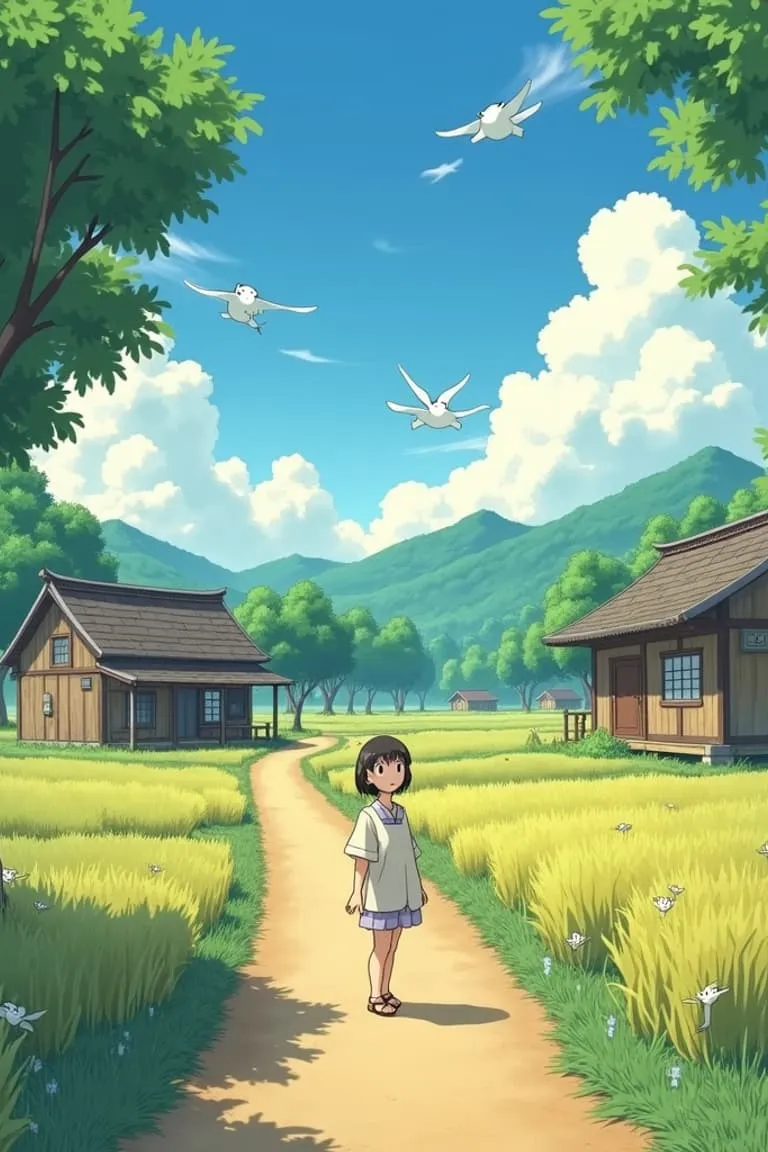
Photo: cozy anime aesthetic soft lighting peaceful Japanese countryside illustration, via resizeapi.com
There's a specific kind of exhaustion that Gen Z knows intimately. It's not the tired-from-working kind. It's the tired-from-existing kind — the low hum of doomscrolling, climate anxiety, economic uncertainty, and the general sense that the volume of everything has been cranked just a little too high for a little too long. And somewhere in the middle of all that noise, a quiet genre of Japanese animation has been building a devoted, almost evangelical following.
It's called iyashikei (癒し系), which roughly translates to 'healing type,' and if you haven't stumbled across it yet, you've almost certainly seen its influence ripple through every corner of the internet where soft-spoken Gen Z'ers post their screen setups and chamomile tea.
What Even Is Iyashikei?
Iyashikei isn't defined by plot twists, power levels, or dramatic confrontations. It's defined by the deliberate absence of those things. These are shows where the central conflict might be figuring out what to make for dinner, or helping a shy classmate feel more at home, or simply watching the seasons change over a sleepy countryside village.
Classic touchstones include Mushishi, a meditative series about a wanderer who encounters supernatural organisms called mushi — each episode a self-contained, unhurried short story that feels more like a folk tale than a TV show. Then there's Non Non Biyori, a slice-of-life gem set in a rural Japanese town so small it barely exists on a map, where the drama of a single day might hinge on finding a frog or visiting a candy store. Laid-Back Camp (Yuru Camp) follows a group of high school girls who go solo and group camping across Japan's gorgeous winter landscapes, and it's so genuinely peaceful that fans have credited it with inspiring real-life camping trips.
More recently, Frieren: Beyond Journey's End — while not a traditional iyashikei — has captured a similar emotional register by slowing down a fantasy epic into something reflective and bittersweet. The genre is expanding, absorbing new shapes while holding onto its essential philosophy: slow down, breathe, stay a while.
The Psychology of Low Stakes
So why does a generation raised on Marvel's relentless escalation and prestige TV trauma spirals find comfort in anime about girls making soup?
Part of it is neurological. When we're chronically overstimulated — which, let's be honest, is the baseline state for most people under 30 right now — our nervous systems are constantly running hot. High-stakes entertainment, even when it's technically 'fun,' keeps that stress response activated. Iyashikei works differently. Its pacing is designed to mirror a calmer state of being, essentially inviting your brain to match the rhythm on screen.
There's also something powerful about narrative spaces where failure doesn't really exist. Nobody in Non Non Biyori is going to lose their job, get their heart shattered, or face an existential reckoning. That's not naivety — it's intentional design. These shows create a container for feelings that doesn't punish you for having them.
Dr. Julie Albright, a sociologist who studies digital culture, has described the loneliness epidemic among young Americans as partly a crisis of 'ambient belonging' — the sense that you're connected to something larger than yourself. Iyashikei, interestingly, delivers exactly that. The shows are saturated with community, seasonal ritual, and the gentle repetition of daily life. Watching characters share a meal or tend a garden activates something that feels almost like memory, even if the memory isn't yours.
The Social Paradox of Comfort Anime
Here's the thing that makes iyashikei's rise especially interesting: it's become a communal experience built around solitude.
On TikTok and Tumblr, fans share their 'comfort show' setups — a darkened room, a warm drink, a specific playlist cued up before hitting play. Discord servers dedicated to Mushishi or Aria the Animation (a beloved series set in a flooded, futuristic Venice governed by gondoliers) have thousands of members who check in regularly just to share screenshots and say, essentially, 'this one got me tonight.' The genre has its own aesthetic language on Pinterest and Instagram: muted greens, hand-drawn textures, the particular golden-hour light that Japanese animators have perfected over decades.
In a cultural moment when 'parasocial relationship' has become a slightly anxious term, iyashikei offers something different — not attachment to a personality, but immersion in a place. Fans describe the fictional towns and landscapes in these shows with the familiarity of somewhere they've actually been. That's the genre's quiet superpower.
What Japan Understood That Hollywood Didn't
Japanese media culture has long had a more comfortable relationship with stillness than its American counterpart. The concept of ma (間) — the meaningful pause, the productive empty space — runs through everything from traditional theater to architecture to, yes, anime. Iyashikei isn't a trend that emerged in response to Gen Z burnout. It's a genre with roots stretching back decades, one that American audiences are only now discovering in significant numbers.
That discovery says something important about what's missing from mainstream Western entertainment. For all the conversation about 'self-care,' the content ecosystem has been slow to actually produce things that feel restorative rather than just distracting. Iyashikei fills that gap — not with wellness branding or motivational framing, but with the radical simplicity of a well-drawn bowl of ramen and a character who is just genuinely, quietly okay.
Where to Start
If you're iyashikei-curious, the entry points matter. Laid-Back Camp is probably the most immediately accessible — visually stunning, warm without being saccharine, and genuinely funny in a low-key way. Mushishi is for when you're ready to go deeper, when you want something that sits with you after the episode ends. Aria the Animation is the genre's slow-burn masterpiece, demanding patience but rewarding it with something close to transcendence.
And if you're already deep in the iyashikei rabbit hole, posting screenshots at midnight and feeling genuinely healed by a fictional character making rice — you already know. You don't need us to explain it. You just need someone to say: same.
The world is loud. These shows are not. That's the whole point.