Cracked Glaze, No Filter: How Wabi-Sabi Became Gen Z's Realest Aesthetic Move
There's a specific kind of exhaustion that comes from scrolling through a perfectly curated feed. Every jawline lit just right. Every apartment looking like it was styled by someone who definitely owns a fog machine and a degree in color theory. Every face smoothed to a texture that no actual human face has ever had.
At some point, something in a lot of us just... breaks. And weirdly? That breaking might be exactly the point.
Enter wabi-sabi — a Japanese aesthetic philosophy that's been quietly humming along for centuries and is now having a serious moment in the group chats, TikTok comments, and thrift-store hauls of Gen Z America.
So What Even Is Wabi-Sabi?
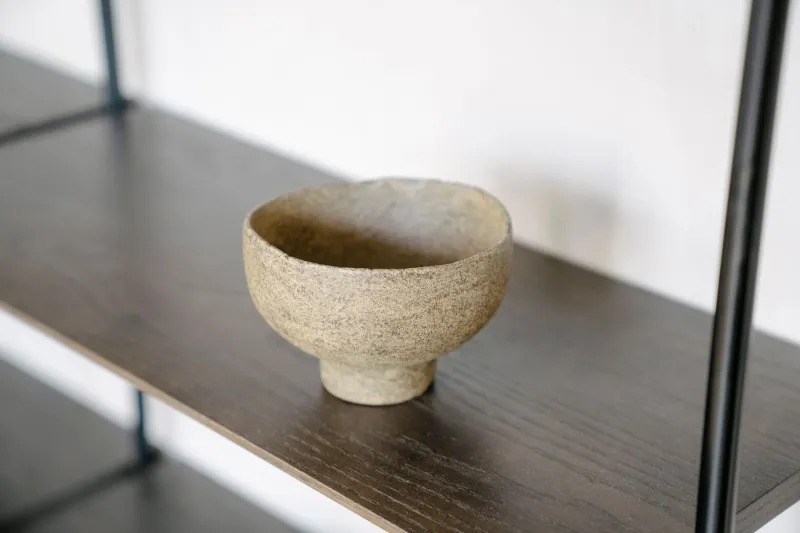
The term doesn't translate cleanly, which is part of what makes it so compelling. Wabi historically evoked a kind of rustic simplicity, even loneliness — the feeling of a rough clay cup or a mossy stone path. Sabi carries the weight of time: the beauty that comes because something has aged, worn, or faded. Together, wabi-sabi is less a design rule and more a way of seeing — one that says impermanence isn't a flaw to fix, it's the whole story.
In traditional Japanese arts, you can spot it in the irregular edges of raku pottery, the asymmetry of a zen garden, the way a tea house feels intentionally unfinished. It's the philosophy behind kintsugi, that practice of repairing broken pottery with gold — not hiding the crack, but making it the centerpiece.
For centuries, this was considered deeply sophisticated. Then Instagram happened, and for a hot minute, the Western internet went the opposite direction entirely.
The Filter Fatigue Is Real
Here's the thing about hyper-polished social media culture: it was always going to collapse under its own weight. When every photo is optimized, nothing feels real. When every face is smoothed, actual skin starts to look like a mistake. Gen Z grew up inside this machine, and a lot of them are now actively building exits.
Search "skin texture" on TikTok and you'll find millions of videos — not tutorials for hiding it, but creators proudly zooming in on their pores, their freckles, the little bumps and shadows that used to get airbrushed into oblivion. The "no-makeup makeup" trend has evolved into something even more radical: makeup that lets you look like a person. Dewy, yes. Glowy, sure. But also visibly, undeniably human.
Beauty brands have clocked this shift hard. Campaigns that used to feature flawless digital skin are now intentionally showing texture, redness, and asymmetry — not as an oversight, but as a flex. The message is clear: we know what Photoshop looks like, and we chose not to use it.
That's wabi-sabi logic, even if nobody's putting that label on the foundation bottle.
Your Apartment Doesn't Have to Look Like a Hotel
The aesthetic shift isn't just happening on faces. Walk through any Gen Z apartment that's been decorated with actual intention (not just IKEA defaults) and you'll notice something: it probably looks a little unfinished. A little collected. Maybe a little cracked.
Thrifted furniture with visible wear. Handmade ceramics that wobble slightly. Plants that are allowed to get leggy and weird. Walls with the art hung slightly imperfect, or not hung at all — just leaned. There's a deliberate rejection of the showroom aesthetic that dominated millennial home décor, the one where everything matched and nothing had a past.
Wabi-sabi spaces feel lived in because they're meant to. The patina is the point. A scratched wooden table isn't a problem to solve; it's proof that someone actually ate dinner there.
This tracks with the broader Gen Z thrift culture movement — the idea that something pre-owned carries more character than something brand new. A vintage jacket with a fraying hem isn't a consolation prize; it's evidence of a life it lived before yours. That's wabi-sabi without the vocabulary lesson.
Imperfection as Personal Brand
Maybe the most interesting place wabi-sabi is showing up is in how Gen Z thinks about their own identities online.
For a while, personal branding advice pushed everyone toward a polished, consistent, aspirational image. Pick your niche. Stay on-brand. Never post anything messy. The result was a generation of content that felt oddly corporate — humans performing a highlight reel of themselves.
The backlash has been delicious. "Get ready with me" videos where people are clearly still half asleep. Cooking content that shows the burned parts. Vlogs that include the awkward silences. Creators who talk openly about the days when nothing worked, the projects that flopped, the creative blocks that lasted weeks.
This isn't just relatability as a strategy (though it works for that too). It's a genuine philosophical shift — the idea that showing your rough edges doesn't diminish you. It completes you. The crack is where the gold goes.
Why This Resonates Right Now
Wabi-sabi isn't new. But the conditions that make it feel urgent are pretty specific to this moment.
Gen Z came of age during a period of compounding uncertainty — a pandemic, economic anxiety, a mental health crisis that's been well-documented and not nearly well enough addressed. Perfectionism, it turns out, is a brutal companion during chaotic times. When everything outside feels unstable, chasing a flawless image feels not just exhausting but kind of pointless.
The Japanese concept of mono no aware — the bittersweet awareness that everything is temporary — sits right next to wabi-sabi philosophically, and it's threading through Gen Z culture in ways that feel almost instinctive. The love of disposable camera aesthetics. The nostalgia for formats that degrade. The comfort in things that don't last forever, because nothing does.
Wabi-sabi offers something that a lot of wellness trends promise but rarely deliver: permission. Permission to be unfinished. Permission to show the wear. Permission to let the beautiful thing be imperfect and still, maybe especially, call it beautiful.
The Flex Is in the Flaw
None of this means Gen Z has stopped caring about aesthetics. If anything, they care deeply — just about different things. The care now goes into curation of the uncurated, which sounds paradoxical but makes complete sense once you've spent five minutes on BeReal or watched someone tenderly arrange their thrifted mismatched mugs.
The skill isn't hiding the imperfection. It's knowing which imperfections to keep, and why.
That's wabi-sabi in practice: not chaos, not carelessness, but a deeply considered relationship with the beautiful mess of being alive. Centuries before Instagram, Japanese aesthetes figured out that the things we're most tempted to smooth over are often the most worth looking at.
Gen Z, it seems, is finally ready to agree.
And honestly? No filter needed.