Same Episode, Every Night: The Surprisingly Deep Reason Gen Z Keeps Rewatching Anime on Repeat

There's a running joke among anime fans that the algorithm is basically useless for them. Not because the recommendations are bad, but because half the time they're already three episodes deep into something they've seen at least four times. Voluntarily. On purpose. With zero regret.
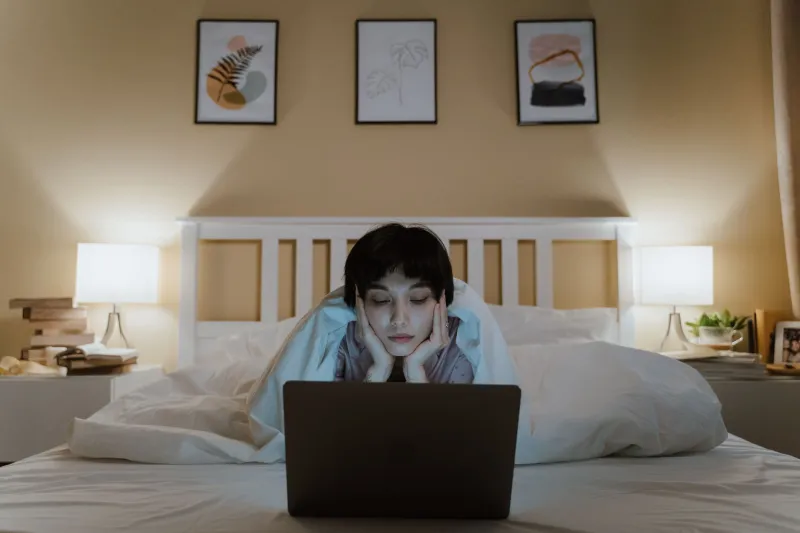
Ask around and you'll find Gen Z anime viewers who have a "comfort episode" the same way some people have a comfort meal. A specific Haikyuu!! match. That one Fruits Basket scene. The entire Kamado family reunion arc in Demon Slayer, watched on a Tuesday night just because the week felt heavy. These aren't people who've run out of things to watch — they're people who've chosen the familiar over the new, and they're increasingly okay with admitting it.
But why? And why does it feel so much more intentional than it probably sounds?
The Anxiety Tax of Always Seeking New
Streaming platforms are engineered for discovery. Every interface, every autoplay, every "because you watched" carousel is designed to pull you forward, always toward something you haven't seen yet. For a lot of people, that's genuinely fun. But for a generation that came of age during a pandemic, a mental health crisis, and a 24/7 news cycle that never really takes a breath, the pressure to keep consuming new content can start to feel like just another thing to keep up with.
Jada, 22, from Atlanta, puts it plainly: "Sometimes I don't want to meet new characters. I don't want to invest in a new plot. I just want to watch Tohru Honda be kind to people for twenty-three minutes and then go to sleep."
That's not avoidance. That's regulation. Psychologists who study media consumption have noted that rewatching familiar content can serve a genuine emotional function — it reduces uncertainty (you already know what happens), it triggers positive memories associated with the first watch, and it asks almost nothing of you cognitively. In a world that asks a lot, that's not nothing.
Japan Already Knew This
Here's where it gets interesting: the idea that repetition itself carries value isn't new — it's deeply embedded in Japanese cultural tradition, and it maps onto the rewatch habit in ways that feel almost uncanny.
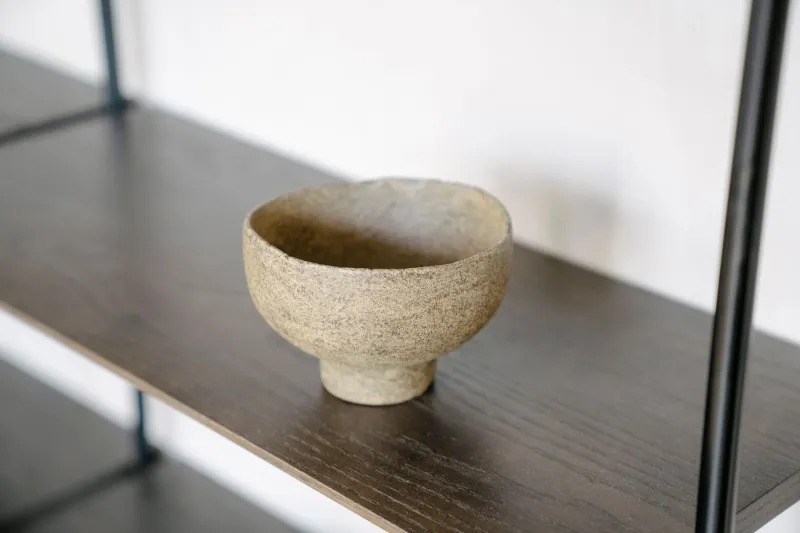
Take chadō, the Japanese tea ceremony. On the surface, it looks like a very elaborate way to make tea. But practitioners will tell you that's kind of the point. The same movements, the same sequence, performed with full attention, again and again. The ritual doesn't lose meaning through repetition — it gains it. Each time you do it, you're more present to the subtleties, more attuned to what's actually happening in the moment.
Or consider karesansui — the dry rock gardens found at Zen temples like Ryoanji in Kyoto. Monks rake the same gravel into the same patterns daily. Not to create something new, but to inhabit the familiar with fresh attention. The repetition is the practice.
When Marcus, 19, from Portland, says he rewatches the first episode of Mob Psycho 100 "basically every time life gets weird," he's doing something that rhymes with this. "I know every line. I know every cut. But I notice something different every time, or I feel something different. It's like checking in with myself through it."
That's not so far from raking gravel.
The Comfort Loop as Ritual
Ritual, in the traditional sense, isn't about novelty. It's about return. You go back to the same place, the same words, the same sequence of actions, because the consistency is what makes it meaningful. Church. Shabbat dinner. The specific playlist you only play on long drives. These things work because they're reliable, and reliability, especially for a generation that's had the rug pulled out from under it more than once, is genuinely precious.
Anime, with its episodic structure and deeply serialized emotional arcs, turns out to be really well-suited to this kind of ritual use. A single episode of A Silent Voice or Your Lie in April can hold an enormous amount of emotional weight in a tight runtime. Returning to it isn't redundant — it's more like visiting a place you love. The place doesn't change. You do.
Sophia, 24, from Chicago, has watched the final episode of Neon Genesis Evangelion more times than she can count. "People think that's weird because it's such a hard watch," she laughs. "But it always hits me differently depending on where I'm at. When I was nineteen it felt like chaos. Now it feels almost peaceful? The episode didn't change. I did."
The Anti-Algorithm Move Nobody's Talking About
There's also something quietly countercultural about the rewatch habit that's worth naming. In an attention economy that profits from you always wanting more, choosing to want less — to return instead of advance — is a small but real act of opting out. You're not generating new engagement data. You're not helping the algorithm learn what to sell you next. You're just... watching something you love, again, because it makes you feel okay.
That's almost radical in 2024.
And it's not lost on some Gen Z fans that this mirrors a broader cultural drift toward slowness and intentionality — the same energy behind the ikigai conversations, the wabi-sabi aesthetic embrace, the interest in analog hobbies. The rewatch habit fits neatly into a larger picture of a generation quietly pushing back against the idea that more is always better.
Finding the New Inside the Familiar
Maybe the most Japanese thing about all of this is the idea that the familiar, properly attended to, never actually runs out of new things to offer. Mono no aware — the bittersweet awareness of impermanence — suggests that the value of a moment is partly in knowing it won't last forever. But there's a flip side to that: the things we return to carry the weight of every version of ourselves that's visited them before.
When you rewatch that episode of Violet Evergarden for the sixth time and cry at the exact same scene, you're not just watching the show. You're also watching yourself watch it at eighteen, at twenty, at twenty-two. The layers accumulate. The meaning deepens.
That's not a waste of time. That's actually kind of beautiful.
So yeah — go ahead and queue up that episode again. The algorithm will survive without you for twenty-three minutes.